Rethinking What a Cruise Can Be
Cruising is often associated with massive ships, crowded decks, and endless entertainment options. While that model appeals to many, a different kind of voyage has been gaining attention. Small ship cruises offer a more intimate, flexible, and immersive way to travel. They strip away excess and focus on meaningful experiences, allowing travelers to connect more deeply with destinations, nature, and fellow passengers.
Small ships may lack the scale of larger vessels, but they compensate with access, authenticity, and a sense of calm that is difficult to find on bigger cruises.
What Defines a Small Ship Cruise
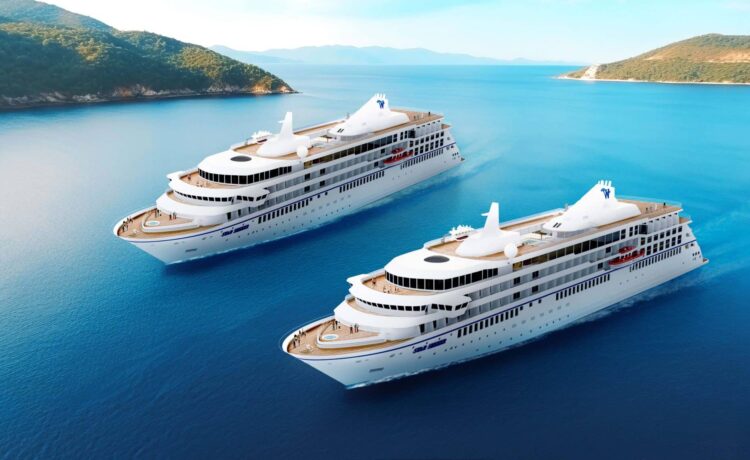
A small ship cruise typically involves vessels that carry anywhere from a dozen to a few hundred passengers. These ships are designed to navigate areas that larger vessels cannot reach.
Key Characteristics
- Limited Passenger Capacity
Fewer guests create a quieter and more personal environment. - Compact Size
Smaller ships can access narrow waterways, hidden coves, and remote ports. - Flexible Itineraries
Routes can change based on conditions or opportunities. - Focus on Experience Over Entertainment
Activities are centered on exploration rather than onboard attractions.
Why Travelers Choose Small Ship Cruises
Small ship cruising appeals to travelers who value depth over scale. The experience is less about the ship itself and more about where it can take you.
Access to Unique Destinations
Large cruise ships are restricted to major ports. Small ships, on the other hand, can reach:
- Remote islands
- Coastal villages
- Inland waterways
- Protected natural areas
This access opens the door to destinations that feel less commercialized and more authentic.
A More Personal Atmosphere
With fewer passengers, the onboard environment feels relaxed and unhurried.
- Staff can offer more attentive service
- Guests often recognize each other, creating a sense of community
- There is less waiting and fewer crowds
Flexible and Adaptive Travel
Small ships can adjust plans more easily. If weather changes or a unique opportunity arises, the itinerary can shift to take advantage of it.
Types of Small Ship Cruises
Small ship cruising is not limited to one style. It includes a range of यात्रा experiences, each with its own focus.
Expedition Cruises
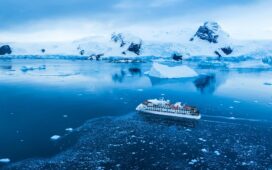
These cruises emphasize exploration and education. They often visit remote regions such as polar areas, rainforests, or isolated islands.
Features include:
- Expert guides and lectures
- Wildlife observation
- Hands-on excursions
River Cruises
River cruises take travelers through the heart of destinations, often passing through cities, towns, and countryside landscapes.
Highlights include:
- Scenic routes
- Easy access to cultural sites
- Smooth sailing conditions
Coastal Cruises
These voyages focus on coastal regions, offering a mix of natural beauty and cultural experiences.
Common features:
- Frequent stops
- Close proximity to shorelines
- Opportunities for water-based activities
Luxury Yacht Cruises
Luxury small ships provide high-end experiences with a focus on comfort and exclusivity.
Expect:
- Spacious accommodations
- Personalized service
- Gourmet dining
Onboard Life: Intimate and Relaxed
Life on a small ship feels very different from larger cruise liners. The atmosphere is quieter, allowing travelers to focus on the journey itself.
Accommodations
Cabins on small ships are often designed with comfort and efficiency in mind.
Common features:
- Ocean views or large windows
- Comfortable bedding
- Thoughtful storage solutions
Some luxury vessels offer suites with additional space and amenities.
Dining Experience
Dining is typically more intimate and less crowded.
- Fewer restaurants, but higher attention to detail
- Menus often reflect local ingredients and regional cuisine
- Flexible seating arrangements
Meals become social experiences where guests can interact with one another.
Social Spaces
Instead of large entertainment venues, small ships offer cozy shared areas.
- Lounges for relaxation
- Observation decks
- Quiet reading spaces
These spaces encourage conversation and reflection rather than constant activity.
Immersive Shore Excursions
One of the defining features of small ship cruises is the quality of shore excursions.
Closer Connections to Destinations
Excursions are often designed to be more personal and less rushed.
- Smaller group sizes
- Direct interaction with local communities
- Access to less crowded sites
Active Exploration
Many small ship cruises include activities such as:
- Hiking
- Kayaking
- Snorkeling
- Cultural tours
These experiences allow travelers to engage with destinations in a hands-on way.
Wildlife and Nature Encounters
Small ships excel at bringing travelers closer to nature.
Advantages of Smaller Vessels
- Ability to navigate shallow or narrow areas
- Less disturbance to wildlife
- Opportunities for close observation
Memorable Encounters
Depending on the destination, यात्रियों may see:
- Marine life such as whales and dolphins
- Birds in coastal or river environments
- Unique ecosystems and landscapes
These encounters often feel more authentic and less staged.
The Role of Crew and Expertise
On small ships, the crew plays a significant role in shaping the experience.
Personalized Service
With fewer passengers, crew members can provide:
- Individual attention
- Tailored recommendations
- A welcoming atmosphere
Expert Knowledge
Many small ship cruises include specialists such as:
- Naturalists
- Historians
- Local guides
Their insights add depth to the journey, turning sightseeing into learning.
Sustainability and Responsible Travel
Small ship cruises often emphasize sustainability.
Environmental Benefits
- Lower passenger numbers reduce environmental impact
- Smaller vessels can follow stricter guidelines in sensitive areas
Supporting Local Communities
- Partnerships with local guides and businesses
- Visits to smaller, less commercialized destinations
This approach helps ensure that tourism benefits the regions being explored.
Challenges to Consider
While small ship cruises offer many advantages, they are not without limitations.
Limited Onboard Entertainment
Travelers seeking constant activity or large-scale entertainment may find the experience quieter than expected.
Higher Costs
Small ship cruises can be more expensive due to:
- Personalized service
- Smaller passenger capacity
- Unique itineraries
Weather Sensitivity
Smaller vessels may feel the effects of weather more than larger ships, although modern designs minimize discomfort.
Who Should Choose a Small Ship Cruise
Small ship cruises are ideal for travelers who prioritize experience over scale.
Best Suited For
- Travelers seeking unique destinations
- Nature enthusiasts
- Cultural explorers
- Those who prefer a quieter environment
Less Suitable For
- Travelers who enjoy large-scale entertainment
- Families looking for extensive onboard activities
- Those who prefer highly structured schedules
Tips for Getting the Most Out of Your Journey
To fully enjoy a small ship cruise, consider the following:
- Research the Itinerary
Choose routes that align with your interests. - Pack Appropriately
Bring clothing suited to both onboard comfort and shore excursions. - Engage with Experts
Take advantage of lectures and guided tours. - Be Open to Flexibility
Embrace changes in plans as part of the adventure. - Connect with Fellow Travelers
The smaller setting makes it easy to build connections.
The Future of Small Ship Cruising
As travelers seek more meaningful and less crowded experiences, small ship cruising continues to grow.
Emerging Trends
- Increased focus on sustainability
- More specialized itineraries
- Enhanced onboard comfort without losing intimacy
This evolution ensures that small ship cruises remain relevant and appealing in a changing travel landscape.
Why Small Ships Deliver Big Experiences
The true value of a small ship cruise lies in its ability to create depth. It is not about how many places you visit, but how you experience them.
With fewer distractions and greater access, travelers can engage more fully with each destination. The result is a journey that feels personal, immersive, and memorable.
FAQs
1. How many passengers are typically on a small ship cruise
Small ship cruises usually accommodate between a dozen and a few hundred passengers, depending on the vessel.
2. Are small ship cruises safe in rough weather
Yes, modern ships are designed for safety, though smaller vessels may experience more motion than larger ships.
3. Do small ship cruises include shore excursions
Most small ship cruises include or offer guided excursions that focus on exploration and cultural experiences.
4. Is internet access available on small ships
Connectivity varies, but many ships offer limited internet access due to remote locations.
5. Are small ship cruises suitable for first-time cruisers
Yes, especially for those who prefer a quieter and more personalized experience.
6. What should I pack for a small ship cruise
Pack versatile clothing, comfortable shoes, and any gear needed for excursions such as hiking or water activities.
7. How far in advance should I book a small ship cruise
It is best to book several months in advance, especially for popular routes and peak travel seasons.