Entering the World’s Most Remote Frontiers
Travel to the polar regions has always carried a sense of mystery and ambition. These are places where maps once had blank spaces, where conditions are harsh, and where nature operates on its own terms. Expedition cruises have opened these remote frontiers to modern travelers, offering a rare chance to experience the Arctic and Antarctic without compromising safety or comfort.
Unlike traditional cruises, expedition voyages are built around exploration. They focus less on entertainment and more on discovery, education, and immersion in some of the most untouched environments on Earth.
What Defines an Expedition Cruise
An expedition cruise is designed for travelers who want more than sightseeing. It is a guided journey led by experts, often including scientists, naturalists, and historians, who provide insight into the regions being explored.
Key Characteristics
- Small Ships
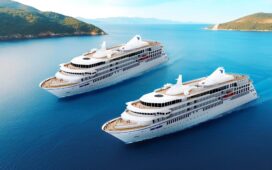
Expedition vessels are typically smaller, allowing access to narrow channels, remote coastlines, and icy waters. - Flexible Itineraries
Routes can change based on weather, wildlife sightings, and ice conditions. - Expert-Led Experiences
Onboard lectures and guided excursions enhance understanding of the environment. - Close-to-Nature Encounters
Activities bring travelers face-to-face with landscapes and wildlife.
The Polar Regions: Arctic and Antarctic
Expedition cruises primarily explore two major polar areas, each offering distinct experiences.
The Arctic
The Arctic is a region surrounding the North Pole, characterized by icy seas, tundra landscapes, and unique wildlife.
Highlights include:
- Massive glaciers and icebergs
- Indigenous cultures in certain regions
- Seasonal phenomena like the midnight sun and northern lights
The Antarctic
The Antarctic is a continent at the southernmost part of the Earth. It is more isolated and largely uninhabited.
Key features:
- Vast ice sheets and dramatic landscapes
- Dense wildlife populations, especially marine life
- Extreme weather conditions
Both regions offer extraordinary beauty, but they differ in geography, accessibility, and cultural context.
Life Onboard an Expedition Ship
Expedition ships are designed to balance comfort with functionality. While they may not have the scale of large cruise liners, they offer a more intimate and purposeful experience.
Accommodation and Facilities
Cabins are typically comfortable and well-equipped, with features such as:
- Private bathrooms
- Viewing windows or balconies
- Heating systems suited for cold climates
Common areas may include:
- Observation lounges
- Dining rooms
- Lecture halls
Dining Experience
Meals are carefully planned to suit the remote nature of the यात्रा. Expect:
- High-quality, nutritious food
- Flexible dining schedules
- Options accommodating dietary needs
Learning Opportunities
Education is a central part of the journey. Guests can attend:
- Presentations on wildlife and ecosystems
- Talks on climate science
- Historical accounts of polar exploration
Exploring Beyond the Ship
The true essence of an expedition cruise lies in the excursions.
Zodiac Landings
Small inflatable boats, often called Zodiacs, are used to transport passengers from the ship to shore or closer to ice formations.
These excursions allow for:
- Up-close views of glaciers and icebergs
- Landings on remote beaches
- Wildlife observation
Guided Walks
Experts lead walks across tundra or icy terrain, explaining:
- Geological formations
- Flora and fauna
- Environmental conditions
Kayaking and Specialized Activities
Some cruises offer additional activities such as:
- Kayaking among ice floes
- Snowshoeing
- Photography workshops
These options provide deeper engagement with the surroundings.
Wildlife Encounters in Polar Regions
One of the most compelling aspects of expedition cruises is the opportunity to observe wildlife in its natural habitat.
Arctic Wildlife
- Polar bears
- Arctic foxes
- Seals
- Whales
Antarctic Wildlife
- Penguins
- Seals
- Whales
- Seabirds
Encounters are guided by strict regulations to ensure minimal disturbance to the animals.
The Visual Drama of Polar Landscapes
Polar regions offer a kind of beauty that feels almost otherworldly.
Ice Formations
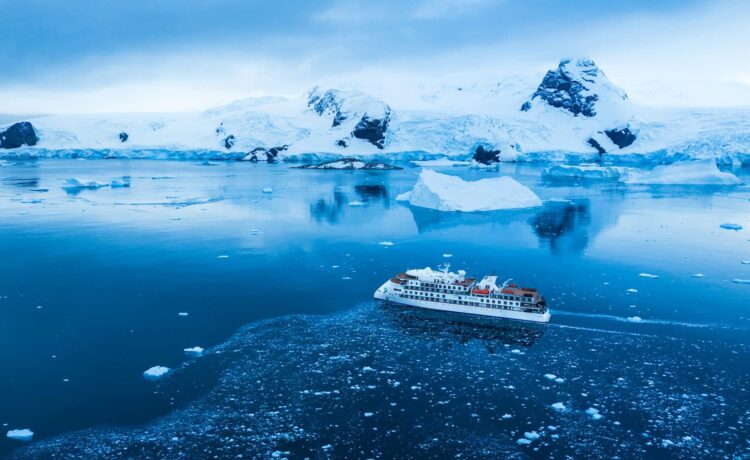
Icebergs come in countless shapes and sizes, each formed through natural processes over time. Glaciers create towering walls of ice that shift and crack with subtle movement.
Light and Color
Lighting conditions in polar regions are unique. During certain seasons, the sun remains visible for extended periods, creating long golden hours ideal for photography.
In the Arctic, the northern lights can illuminate the sky with shifting colors, adding a surreal dimension to the experience.
Silence and Scale
The vastness of the polar environment creates a sense of quiet that is difficult to describe. It is not just the absence of noise but the presence of stillness.
Preparing for a Polar Expedition
Traveling to polar regions requires thoughtful preparation.
Clothing and Gear
Layering is essential for staying comfortable in cold conditions.
Recommended items include:
- Insulated jackets
- Waterproof outerwear
- Thermal base layers
- Gloves, hats, and scarves
Physical Readiness
While most activities are accessible, travelers should be prepared for:
- Walking on uneven terrain
- Boarding small boats
- Adjusting to cold temperatures
Documentation and Health
Ensure all travel documents are in order and consider:
- Travel insurance
- Medical checkups before departure
Environmental Responsibility
Polar regions are among the most fragile ecosystems on Earth. Expedition cruises operate under strict guidelines to minimize impact.
Conservation Practices
- Limiting the number of passengers on landings
- Maintaining safe distances from wildlife
- Avoiding contamination of pristine environments
Awareness and Education
Travelers are encouraged to understand the importance of preserving these regions. Many cruises emphasize climate change and its impact on polar ecosystems.
Challenges of Polar Travel
Despite the rewards, polar expeditions come with certain challenges.
Weather Conditions
Weather can be unpredictable, affecting schedules and activities.
Limited Connectivity
Remote locations mean limited or no internet access, encouraging a more disconnected experience.
Physical Conditions
Cold temperatures and changing terrain require adaptability.
Why Expedition Cruises Are Transformative
Expedition cruises are not typical vacations. They are journeys that shift perspective.
Travelers often return with:
- A deeper appreciation for nature
- Greater awareness of environmental issues
- Memories that feel rare and personal
The combination of exploration, education, and raw natural beauty creates an experience that stays with you long after the यात्रा ends.
The Future of Polar Expeditions
As interest in polar travel grows, the industry is evolving to balance accessibility with sustainability.
Innovations include:
- More environmentally friendly ships
- Enhanced educational programs
- Stricter conservation measures
These efforts aim to ensure that polar regions remain preserved while allowing people to experience their significance.
FAQs
1. What is the best time to go on a polar expedition cruise
The best time depends on the region. Antarctic cruises typically run from November to March, while Arctic cruises are common from June to September.
2. Are expedition cruises suitable for older travelers
Yes, many cruises accommodate older travelers, though a basic level of mobility is helpful for excursions.
3. Do I need special training for activities like Zodiac landings
No special training is required. Crew members provide instructions and assistance.
4. How cold does it get during the यात्रा
Temperatures vary but are generally cold, often ranging from below freezing to slightly above, depending on the season and location.
5. Is seasickness a concern on expedition cruises
It can be, especially in rough waters. Many ships are stabilized, and medications are available to help manage symptoms.
6. Can I see both the Arctic and Antarctic in one trip
No, they are located at opposite ends of the Earth and require separate यात्राएँ.
7. Are these cruises environmentally responsible
Most reputable operators follow strict environmental guidelines and focus on sustainable practices to protect polar ecosystems.