

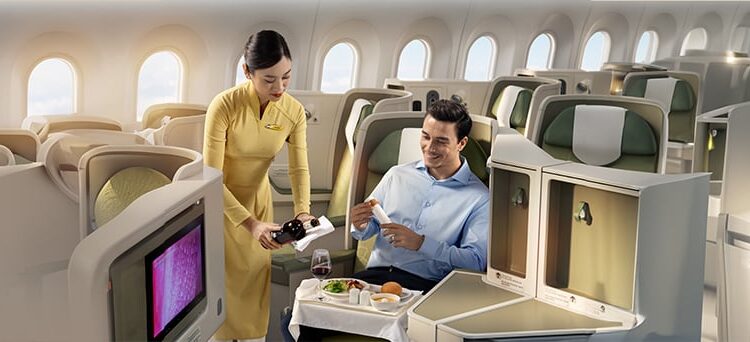
Flying in a more comfortable seat without paying extra may sound unrealistic, but it happens more often than you might think. Airlines routinely adjust seating based on availability, passenger profiles, and operational needs. If you understand how the system works and position yourself strategically, you can significantly increase your chances of enjoying a premium experience without spending a dime.
Below is a practical, no-nonsense guide to improving your odds of getting a free upgrade.
Why Airlines Offer Free Upgrades
Airlines don’t give upgrades randomly. They do it for operational efficiency, customer retention, and revenue optimization.
Common reasons include:
- Overbooking in economy class
- Balancing cabin weight or capacity
- Rewarding loyal customers
- Resolving service issues
- Accommodating special circumstances
Understanding these factors helps you align your behavior with what airlines value.
Join Loyalty Programs Immediately
One of the simplest and most effective strategies is signing up for an airline’s frequent flyer program.
Why it matters:
- Airlines prioritize loyal customers when upgrading
- Even entry-level members are ahead of non-members
- Your travel history builds long-term upgrade potential
What to do:
- Always add your membership number when booking
- Stick to one airline alliance when possible
- Accumulate miles, even from short flights
Consistency matters more than frequency. Even occasional travelers benefit from loyalty enrollment.
Check In Early But Not Too Early
Timing your check-in can influence upgrade chances.
Ideal strategy:
- Check in online right when it opens (usually 24 hours before departure)
- Avoid being last-minute at the airport
Why:
- Early check-in signals reliability
- It positions you ahead in the system if upgrades are being processed
However, showing up at the airport early also increases your chance of being selected if upgrades are assigned manually.
Dress Smartly, Not Formally
Contrary to popular belief, you don’t need a suit to get upgraded. But appearance still matters.
What works:
- Clean, neat, and well-fitted clothing
- Business casual attire
- Avoid overly casual or sloppy looks
Why:
Airlines consider how passengers will fit into premium cabins. You don’t need luxury fashion, just a polished appearance.
Be Polite and Professional With Staff
This is one of the most underestimated factors.
What makes a difference:
- A calm, respectful tone
- Friendly interaction at check-in or boarding
- Avoiding entitlement or demands
What doesn’t work:
- Asking aggressively for upgrades
- Complaining unnecessarily
- Trying to manipulate staff
A simple, polite request like “If there are any upgrade options available, I’d really appreciate it” can go a long way.
Travel During Off-Peak Times
Flight demand plays a huge role in upgrade availability.
Best times to fly:
- Midweek (Tuesday and Wednesday)
- Early morning or late-night flights
- Non-holiday periods
Why:
Premium cabins are less likely to be full, increasing your chances of being moved up when economy is crowded.
Volunteer for Overbooked Flights
When airlines overbook, they look for volunteers to give up their seats.
How to use this to your advantage:
- Volunteer early at the gate
- Ask if compensation includes an upgrade on the next flight
Possible outcomes:
- Seat upgrade on a later flight
- Travel vouchers or cash compensation
- Better seat assignment overall
Flexibility can turn inconvenience into opportunity.
Use Credit Cards Linked to Airlines
Co-branded airline credit cards often come with hidden perks.
Benefits may include:
- Priority boarding
- Upgrade eligibility
- Better placement in upgrade queues
Even without elite status, cardholders often receive preferential treatment compared to standard passengers.
Book Smart, Not Cheap
The cheapest ticket class often limits upgrade eligibility.
What to consider:
- Avoid “basic economy” fares when possible
- Choose slightly higher fare classes within economy
Why:
Some fare categories are completely excluded from upgrades, regardless of availability.
Spending a little more upfront can unlock upgrade potential.
Fly Solo Whenever Possible
Traveling alone significantly increases your chances.
Why:
- Easier for airlines to upgrade one seat instead of multiple
- Simplifies cabin adjustments
Couples or groups are less likely to be upgraded unless multiple premium seats are available.
Leverage Special Occasions Carefully
Mentioning a special occasion can sometimes help, but it must be genuine.
Examples:
- Honeymoon
- Anniversary
- Milestone birthday
Important:
- Do not fabricate stories
- Keep it subtle and respectful
Some airlines note these occasions in your booking, which may influence discretionary upgrades.
Ask at the Right Moment
Timing your request matters more than the request itself.
Best opportunities:
- At check-in counter
- During gate boarding (if seats remain)
- When flights are clearly overbooked
How to ask:
- Be concise and polite
- Accept “no” gracefully
Persistence without pressure is key.
Take Advantage of Last-Minute Changes
Operational changes create unexpected upgrade opportunities.
Examples:
- Aircraft swaps
- Delayed flights
- Missed connections
What to do:
- Stay alert at the gate
- Approach staff calmly if disruptions occur
Passengers who remain composed during chaos often receive better treatment.
Use Points Strategically Without Spending Cash
Sometimes, you don’t need money, just the right use of miles.
Options:
- Upgrade waitlists using miles
- Combine miles with promotions
- Use expiring points wisely
This isn’t technically “free,” but it avoids spending additional cash.
Build a Positive Travel History
Airlines track more than just miles.
They consider:
- No-show behavior
- Complaint history
- Travel frequency
- Payment reliability
Being a “low-risk, high-value” passenger improves your long-term upgrade chances.
Common Mistakes to Avoid
Even small missteps can reduce your chances.
Avoid:
- Booking last-minute low-tier tickets
- Being rude or impatient
- Dressing carelessly
- Ignoring loyalty programs
- Traveling in large groups when aiming for upgrades
Consistency and awareness are more important than luck.
Final Thoughts
Getting a free flight upgrade isn’t about gaming the system—it’s about understanding it. Airlines reward passengers who are flexible, respectful, and strategically aware. While there’s no guaranteed method, combining these tactics significantly improves your odds.
The key is to approach travel as a long-term relationship rather than a one-time transaction. Over time, small advantages compound into better experiences.
Frequently Asked Questions
1. Can I directly ask for a free upgrade at the airport?
Yes, but it should be done politely and without expectation. A respectful request at check-in or the gate can sometimes work if availability allows.
2. Do airlines upgrade passengers randomly?
No. Upgrades are usually based on loyalty status, fare class, availability, and operational needs.
3. Is it easier to get upgraded on international or domestic flights?
Domestic flights often have more frequent upgrades due to shorter routes and higher turnover, but international upgrades can happen during overbooking situations.
4. Does checking in late increase upgrade chances?
No. Late check-in can reduce your chances since upgrade lists are often prioritized earlier.
5. Are upgrades more common on empty flights?
Yes. Flights with lower premium cabin occupancy increase the likelihood of complimentary upgrades.
6. Do airline employees decide who gets upgraded?
Partially. While systems handle most upgrades, gate agents and staff can make discretionary decisions in certain situations.
7. Can families get upgraded together?
It’s less likely. Airlines prefer upgrading solo travelers since it’s easier to fill single premium seats than multiple ones.