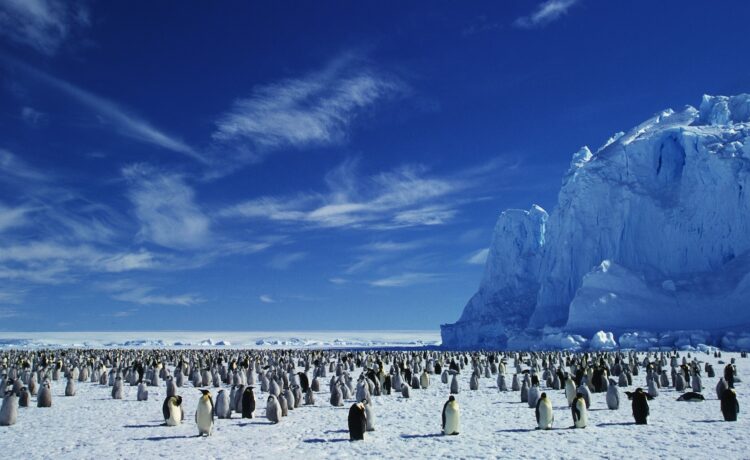
The whispers from the world’s southernmost frontier are growing louder. Antarctica, a continent of unparalleled beauty and scientific significance, is once again poised to capture global attention in 2025. Far from being a static, frozen wasteland, this dynamic environment is a hotbed of groundbreaking research, evolving tourism, and critical conservation efforts. For those captivated by extreme environments and the mysteries they hold, understanding the upcoming developments in the Antarctic is essential. Whether you’re planning an Antarctica expedition or simply curious about the planet’s pulse, prepare to be amazed by what 2025 has in store.
The Scientific Frontier: Unveiling Earth’s Secrets
Antarctica remains a crucial natural laboratory for understanding climate change, astrophysics, and even the origins of life. The scientific community is ramping up efforts, and 2025 promises significant breakthroughs.
Climate Change Research: A Deeper Dive into Ice Loss
One of the most pressing concerns revolves around the accelerating rate of ice melt. In 2025, several international collaborations are expected to publish findings from multi-year studies focusing on the Thwaites Glacier, often dubbed the “Doomsday Glacier.” Using advanced satellite imagery, autonomous underwater vehicles (AUVs), and deep-drilling techniques, researchers are gaining unprecedented insights into the sub-glacial dynamics and ocean-ice interactions driving its retreat. Preliminary data suggests that the rate of melt is even more complex than previously understood, with localized ocean currents playing a more significant role. These studies are critical for refining sea-level rise projections, impacting coastal communities worldwide.
Astrobiology and Subglacial Lakes: Echoes of Other Worlds
The discovery of vast subglacial lake systems, shielded from the surface for millions of years, continues to fuel excitement in astrobiology. In 2025, expect updates from projects exploring Lake Vostok and Lake Mercer, among others. New instrumentation, capable of sterile sampling and sensitive biomarker detection, is being deployed. The hypothesis is that these isolated environments could harbor unique microbial life forms, providing analogues for potential life on icy moons like Europa or Enceladus. The ethical considerations surrounding the exploration of these pristine environments are also a significant topic of discussion, with strict protocols in place to prevent contamination.
Tourism Trends: Sustainable Exploration and Unique Experiences
The allure of an Antarctica expedition continues to grow, attracting a diverse range of travelers seeking transformative experiences. However, the industry is increasingly focused on sustainability and responsible practices.
The Rise of Eco-Conscious Expeditions
2025 will see a continued shift towards smaller, more environmentally friendly vessels and itineraries that emphasize education and minimal impact. Operators are investing in hybrid propulsion systems and advanced waste management. Furthermore, the International Association of Antarctica Tour Operators (IAATO) is expected to introduce stricter guidelines regarding group sizes ashore and wildlife interaction protocols. This focus ensures that the pristine beauty of the continent is preserved for future generations, while still allowing visitors to witness its grandeur firsthand. Expect more citizen science initiatives integrated into voyages, allowing passengers to contribute to data collection.
Beyond the Peninsula: Expanding Horizons
While the Antarctic Peninsula remains the most popular destination, 2025 could see a subtle expansion of accessible areas, particularly for specialized expeditions. Discussions are underway regarding limited access to specific scientific research stations for educational tours, offering a unique glimpse into life on the ice. Additionally, niche experiences like extended kayaking trips, ski touring, and even limited overnight camping on the continent are gaining traction for those seeking a deeper immersion. Planning an Antarctica expedition in 2025 means more options tailored to specific interests and levels of adventure.
Conservation and Geopolitics: Safeguarding the Last Wilderness
Antarctica’s unique status as a continent dedicated to peace and science is constantly under review, with conservation efforts at the forefront.
Protecting Marine Ecosystems: The CCAMLR Agenda
The Commission for the Conservation of Antarctic Marine Living Resources (CCAMLR) will continue its vital work in 2025. Key agenda items include the establishment of new Marine Protected Areas (MPAs) in the East Antarctic and the Weddell Sea. These proposals aim to safeguard vulnerable species like krill, which forms the base of the Antarctic food web, and protect critical breeding grounds for penguins, seals, and whales. The scientific evidence supporting these MPAs is robust, but geopolitical negotiations remain a challenge, highlighting the complex nature of international cooperation in the region.
The Antarctic Treaty System: Maintaining Peace and Science
As global interest in Antarctica intensifies, so too does scrutiny of the Antarctic Treaty System. In 2025, discussions are anticipated regarding the long-term sustainability of scientific infrastructure, the management of growing tourism, and the potential impacts of resource speculation (though mining is currently prohibited). The Treaty nations are committed to upholding the principles of peaceful cooperation and scientific research, but adapting to new challenges requires ongoing dialogue and consensus.
Preparing for Your Antarctic Journey in 2025
If an Antarctica expedition is on your horizon, here are a few actionable insights:
- Book Early: Demand remains high, especially for smaller, eco-conscious voyages.
- Research Operators Thoroughly: Choose companies with strong environmental records and experienced expedition leaders.
- Prioritize Education: Look for itineraries that offer lectures, workshops, and opportunities to learn from naturalists and scientists.
- Pack Smart: Be prepared for all weather conditions, and invest in high-quality, layered clothing.
- Embrace the Unexpected: Antarctica is a wild place; flexibility and an open mind will enhance your experience.
The year 2025 promises to be a pivotal one for Antarctica. From the depths of its ice sheets to the vastness of its surrounding oceans, the continent will continue to reveal its secrets and challenge humanity to protect its unparalleled wilderness. For scientists, adventurers, and conservationists alike, the frozen continent remains a beacon of discovery and a testament to the power of nature.
Author Bio:
The author is a passionate environmental advocate and seasoned travel writer with a particular focus on remote and extreme environments. With years of experience exploring some of the planet’s most untouched regions, they specialize in crafting compelling narratives that highlight the importance of conservation and responsible tourism. Their work aims to inspire a deeper understanding and appreciation for the natural world.