The Allure of Staying in Living History
There is something profoundly different about checking into a heritage hotel compared to a modern property. You are not just booking a room; you are stepping into a narrative that has unfolded over decades, sometimes centuries. Every corridor, balcony, and courtyard carries whispers of the past, offering an experience that goes beyond comfort and luxury.
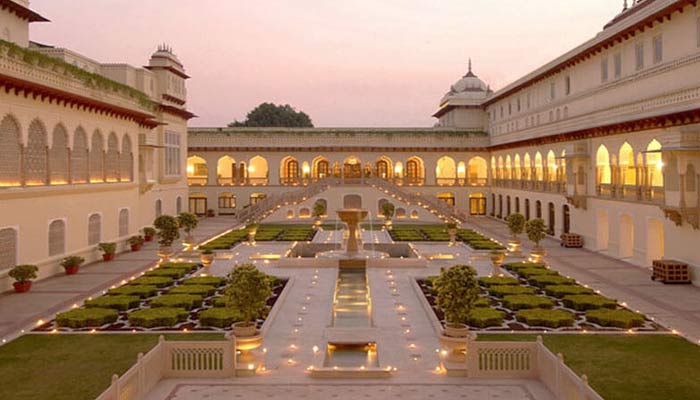
Heritage hotels are often restored palaces, forts, mansions, or colonial-era buildings. Their transformation into hospitality spaces preserves architectural brilliance while making history accessible. Unlike conventional hotels, these spaces invite guests to participate in a story already in motion.
What Defines a Heritage Hotel
A heritage hotel is typically a historically significant structure that has been adapted for modern accommodation while maintaining its original character. These properties balance preservation with practicality.
Key Characteristics
- Authentic Architecture
Intricate carvings, high ceilings, arched windows, and antique furnishings are not decorative choices—they are original elements. - Cultural Legacy
Many heritage hotels reflect the traditions, art, and lifestyle of a specific era or region. - Personal Stories
Former royal residences or ancestral homes often come with fascinating tales of families, rulers, or historical events. - Careful Restoration
The goal is not to modernize but to conserve. Additions are subtle, ensuring the essence remains untouched.
Why Travelers Are Drawn to Heritage Hotels
The appeal of heritage hotels lies in their ability to offer something deeply personal and immersive. Travelers today are not just seeking destinations; they want meaningful experiences.
A Sense of Time Travel
Staying in a heritage hotel often feels like stepping into another era. Whether it is a 17th-century fort or a colonial bungalow, the surroundings transport you to a different time.
Unique, Non-Replicable Experiences
No two heritage hotels are alike. Each property has its own architectural style, history, and personality, making every stay distinct.
Cultural Immersion
Guests often experience:
- Traditional cuisine prepared using age-old recipes
- Folk performances or local art displays
- Regional decor and handcrafted furnishings
Emotional Connection
There is a subtle emotional resonance when you stay in a place that has witnessed history. It creates a connection that modern hotels rarely achieve.
The Stories Hidden Within Walls
Every heritage hotel has layers of stories waiting to be discovered. Some are well-documented, while others are passed down through generations.
Royal Legacies
Many heritage hotels were once palaces or residences of royalty. Their halls have hosted:
- Coronations
- Diplomatic meetings
- Grand celebrations
Guests often sleep in rooms that once belonged to kings, queens, or noble families.
Colonial Echoes
In regions influenced by colonial rule, heritage hotels may reflect European architecture blended with local craftsmanship. These properties often carry stories of trade, governance, and cultural exchange.
Personal Histories
Some heritage hotels remain family-owned, with descendants still involved in operations. Their narratives include:
- Family traditions
- Restoration journeys
- Anecdotes of past residents
Legends and Folklore
Certain properties are associated with local legends or mysterious tales, adding an intriguing dimension to the stay.
Architecture That Speaks
The design of heritage hotels is one of their most compelling features. These buildings were constructed with attention to detail that is rarely seen today.
Distinct Architectural Styles
- Rajputana Style: Fort-like structures, jharokhas, and courtyards
- Colonial Style: Verandas, wooden floors, and symmetrical layouts
- Mughal Influence: Gardens, domes, and intricate stonework
Craftsmanship
From hand-carved doors to fresco-painted ceilings, the artistry reflects skilled craftsmanship that has stood the test of time.
Spatial Design
Unlike modern hotels that prioritize efficiency, heritage properties often emphasize grandeur and openness, with expansive courtyards and large halls.
Modern Comfort Meets Historic Charm
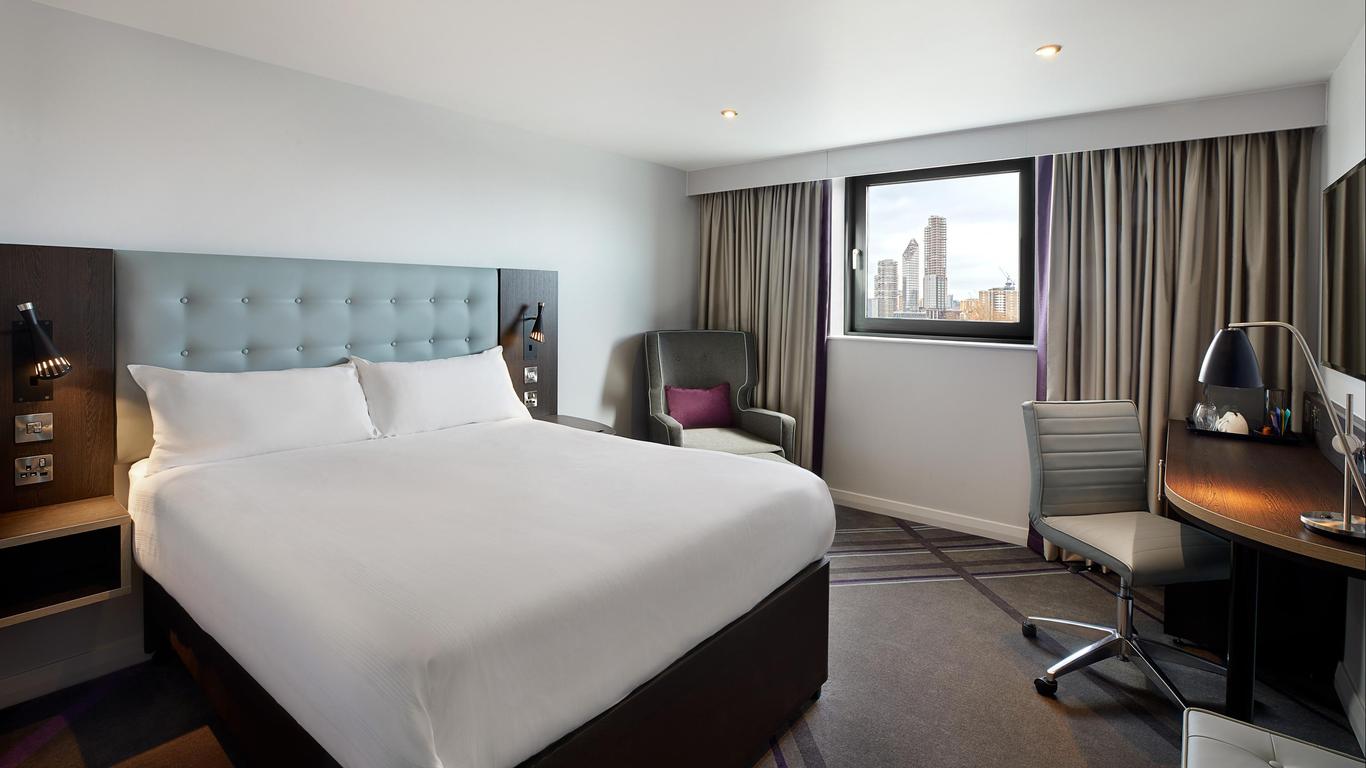
One of the most impressive aspects of heritage hotels is how they integrate modern amenities without compromising authenticity.
Thoughtful Adaptations
- Air conditioning and heating systems installed discreetly
- Modern bathrooms designed to blend with traditional aesthetics
- Wi-Fi and technology integrated without visual disruption
Personalized Hospitality
Service in heritage hotels tends to be more personal. Staff often share stories, guide guests through the property, and create a warm, intimate atmosphere.
Dining Experiences
Meals are often a highlight, featuring:
- Regional specialties
- Recipes passed down through generations
- Dining settings like royal halls or open courtyards
Sustainability Through Preservation
Heritage hotels contribute to sustainable tourism in a meaningful way.
Conservation of Architecture
Restoring historic buildings prevents them from falling into disrepair and preserves cultural heritage.
Support for Local Communities
- Employment opportunities for local residents
- Promotion of local artisans and crafts
- Use of locally sourced ingredients
Reduced Environmental Impact
Repurposing existing structures minimizes the need for new construction, reducing environmental strain.
Challenges of Maintaining Heritage Properties
Despite their charm, heritage hotels come with unique challenges.
Structural Limitations
Old buildings were not designed for modern utilities, making upgrades complex.
High Maintenance Costs
Preserving original materials and craftsmanship requires significant investment.
Balancing Authenticity and Comfort
Finding the right balance between maintaining historical integrity and providing modern comfort can be difficult.
How to Choose the Right Heritage Hotel
Not all heritage hotels offer the same experience. Selecting the right one depends on your preferences.
Consider the Level of Authenticity
Some properties are deeply traditional, while others lean toward luxury with historical elements.
Check the Story Behind the Property
Understanding the history enhances your stay. Look for hotels with well-documented backgrounds.
Evaluate Amenities
Ensure the property offers the level of comfort you expect, especially if you are not accustomed to older buildings.
Location Matters
Heritage hotels are often located in scenic or culturally rich areas, adding to the overall experience.
Tips for Making the Most of Your Stay
To fully appreciate a heritage hotel, approach the experience with curiosity and openness.
- Take a Guided Tour
Learn about the history, architecture, and stories associated with the property. - Engage with Staff
Many staff members have deep knowledge and personal connections to the place. - Explore Every Corner
Hidden courtyards, terraces, and corridors often hold the most interesting details. - Savor the Food
Dining is not just about eating—it is about experiencing tradition. - Disconnect and Observe
Allow yourself to slow down and absorb the atmosphere.
The Emotional Impact of Heritage Stays
Staying in a heritage hotel often leaves a lasting impression. It is not just about luxury or comfort; it is about connection.
You begin to see travel differently—not as a checklist of destinations but as a collection of stories. Heritage hotels remind us that places have memories, and by staying in them, we briefly become part of those memories.
The Future of Heritage Hospitality
As travelers increasingly seek meaningful experiences, heritage hotels are gaining renewed attention. Their ability to combine history, culture, and hospitality positions them uniquely in the travel landscape.
Efforts to preserve and promote these properties are growing, ensuring that future generations can continue to experience history in a tangible way.
FAQs
1. What is the difference between a heritage hotel and a boutique hotel?
A heritage hotel is specifically a historic property with cultural or architectural significance, while a boutique hotel focuses more on design and personalized experiences without necessarily having historical value.
2. Are heritage hotels suitable for families?
Yes, many heritage hotels cater to families, though it is important to check for safety features and amenities, especially in older buildings.
3. Do heritage hotels offer modern amenities?
Most heritage hotels provide essential modern comforts such as air conditioning, Wi-Fi, and updated bathrooms while maintaining their historical character.
4. Are heritage hotels expensive?
Prices vary widely. Some offer luxury experiences, while others provide more affordable stays depending on the property and location.
5. Is staying in a heritage hotel comfortable?
Comfort levels depend on the property. While many are well-equipped, some may retain certain old-world characteristics that differ from modern hotels.
6. Can you host events or weddings in heritage hotels?
Yes, many heritage hotels are popular venues for weddings and events due to their unique ambiance and historical settings.
7. How can I verify the authenticity of a heritage hotel?
Research the property’s history, ownership, and restoration details. Authentic heritage hotels usually have documented backgrounds and recognizable architectural features.