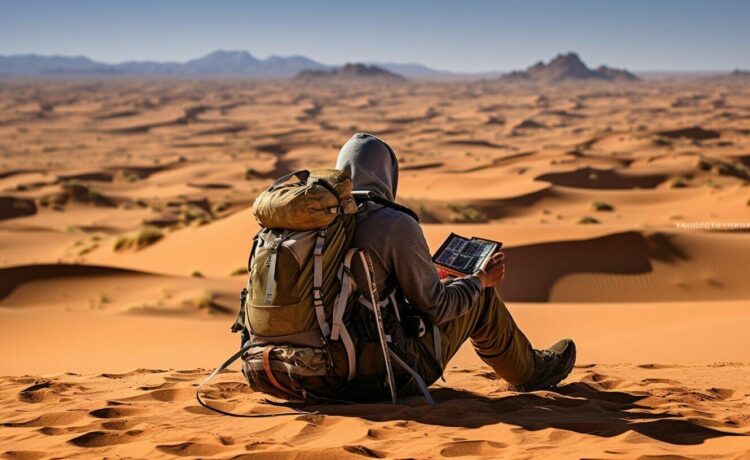
Understanding the Reality of Remote Travel
Remote destinations offer a kind of freedom that is difficult to find in crowded cities or popular tourist hubs. Vast landscapes, limited infrastructure, and a sense of isolation create an experience that feels raw and authentic. However, these same qualities also introduce risks that require careful preparation.
Traveling to remote areas is not about avoiding danger entirely. It is about understanding potential challenges and managing them effectively. With the right mindset and preparation, remote travel can be both safe and deeply rewarding.
What Defines a Remote Destination
A remote destination is typically characterized by its distance from major cities and limited access to services.
Common Features
- Limited or no mobile network coverage
- Scarce medical facilities
- Fewer transportation options
- Minimal tourist infrastructure
These factors mean that travelers must rely more on their own planning and awareness.
Planning Ahead: The Foundation of Safety
Preparation is the most important aspect of safe travel in remote areas. The more you know before you go, the better equipped you will be to handle unexpected situations.
Research Your Destination
Before traveling, gather detailed information about:
- Weather conditions
- Terrain and geography
- Local customs and regulations
- Potential risks such as wildlife or natural hazards
Share Your Itinerary
Always inform someone you trust about your plans.
Include:
- Travel dates
- Routes and destinations
- Expected check-in times
This ensures that someone knows where you are in case of an emergency.
Check Entry Requirements
Remote areas may have specific permits or restrictions. Make sure all necessary documents are in place before departure.
Packing Essentials for Remote Travel
Packing for remote destinations is different from packing for urban trips. You need to prioritize functionality and self-sufficiency.
Must-Have Items
- Navigation Tools
Maps, compasses, or GPS devices - Emergency Supplies
First aid kit, flashlight, and multi-tool - Food and Water
Enough to last beyond your planned duration - Clothing for Conditions
Weather-appropriate layers and protective gear
Smart Packing Tips
- Pack light but prioritize essentials
- Use waterproof bags for important items
- Keep frequently used items easily accessible
Staying Connected in Isolated Areas
Connectivity can be limited or nonexistent in remote regions, making communication planning essential.
Communication Options
- Satellite phones
- Emergency beacons
- Offline maps and navigation apps
Backup Plans
Always have a secondary method of communication in case your primary option fails.
Understanding Local Environment and Risks
Each remote destination comes with its own set of environmental challenges.
Weather Awareness
Conditions can change rapidly, especially in mountains, deserts, or polar regions.
- Monitor forecasts regularly
- Be prepared for sudden changes
- Adjust plans if necessary
Wildlife Safety
Encounters with wildlife are possible in remote areas.
- Maintain a safe distance
- Avoid feeding animals
- Learn about local species and behaviors
Terrain Challenges
Different terrains require different precautions.
- Mountains require awareness of altitude and weather
- Deserts demand hydration and sun protection
- Forests may involve navigation challenges
Health and Medical Preparedness
Access to medical care is often limited in remote areas, making self-preparation critical.
First Aid Knowledge
Basic first aid skills can make a significant difference.
- Treat minor injuries
- Manage dehydration or heat exhaustion
- Recognize signs of serious conditions
Medications and Supplies
Carry:
- Personal medications
- Pain relievers
- Bandages and antiseptics
Hydration and Nutrition
Maintaining energy and hydration is essential for both safety and performance.
Transportation and Navigation Safety
Getting around in remote destinations requires careful planning.
Reliable Transportation
- Use well-maintained vehicles
- Carry spare parts or repair kits
- Ensure fuel availability
Navigation Skills
Do not rely solely on digital tools.
- Learn to read maps
- Understand basic navigation techniques
- Mark key locations
Accommodation Safety in Remote Areas
Where you stay can significantly impact your safety.
Types of Accommodation
- Campsites
- Remote lodges
- Temporary shelters
Safety Considerations
- Choose locations away from hazards such as flood zones
- Secure food to avoid attracting wildlife
- Ensure proper ventilation and warmth
Managing Emergencies
Even with preparation, emergencies can occur. Knowing how to respond is crucial.
Stay Calm and Assess
- Evaluate the situation
- Identify immediate risks
- Prioritize actions
Use Emergency Tools
- Activate emergency beacons if necessary
- Signal for help using available resources
Conserve Resources
In prolonged situations, ration food, water, and energy.
Cultural Awareness and Respect
Remote destinations often include communities with unique traditions and lifestyles.
Respect Local Customs
- Dress appropriately
- Follow local guidelines
- Ask permission before taking photos
Build Positive Interactions
Engaging respectfully with local communities enhances both safety and experience.
Traveling Solo vs. Group Travel
Safety considerations vary depending on whether you travel alone or with others.
Solo Travel
- Requires greater self-reliance
- Demands careful planning and awareness
Group Travel
- Provides shared responsibility
- Offers additional support in emergencies
Both approaches can be safe if managed properly.
Technology and Its Role in Safety
Technology can enhance safety, but it should not replace preparation.
Useful Tools
- GPS devices
- Weather apps
- Emergency communication systems
Limitations
- Battery life
- Signal availability
- Dependence on devices
Always have non-digital backups.
Environmental Responsibility
Remote areas are often fragile ecosystems.
Leave No Trace Principles
- Pack out all waste
- Avoid disturbing natural environments
- Stick to established paths
Long-Term Impact
Responsible travel helps preserve these areas for future visitors.
Mental Preparedness for Remote Travel
Physical preparation is important, but mental readiness is equally crucial.
Staying Focused
- Be aware of surroundings
- Avoid unnecessary risks
Managing Stress
Remote environments can feel overwhelming.
- Take breaks when needed
- Stay organized and calm
Common Mistakes to Avoid
Even experienced travelers can make errors in remote settings.
Frequent Pitfalls
- Underestimating conditions
- Overpacking or underpacking
- Ignoring local advice
- Relying too heavily on technology
Avoiding these mistakes improves overall safety.
Why Preparation Enhances the Experience
Safety is not about limiting your adventure. It is about enabling it. When you are well-prepared, you can focus on the experience rather than worrying about potential risks.
Remote destinations offer some of the most memorable travel experiences. With the right precautions, they can be explored confidently and responsibly.
FAQs
1. What is the most important safety tip for remote travel
Preparation and planning are the most critical factors for ensuring safety in remote destinations.
2. Do I need special equipment for remote travel
Yes, depending on the destination, items like navigation tools, emergency kits, and proper clothing are essential.
3. How do I stay safe without mobile network coverage
Use satellite communication devices, offline maps, and inform someone about your itinerary before departure.
4. Is it safe to travel alone in remote areas
It can be safe with proper preparation, but traveling with a group often provides additional security.
5. How much food and water should I carry
Carry enough supplies to last beyond your planned trip in case of delays or emergencies.
6. What should I do if I get lost
Stay calm, avoid moving unnecessarily, and use navigation tools or signals to seek help.
7. How can I minimize risks during remote travel
Research thoroughly, pack appropriately, stay aware of your surroundings, and follow local guidelines.